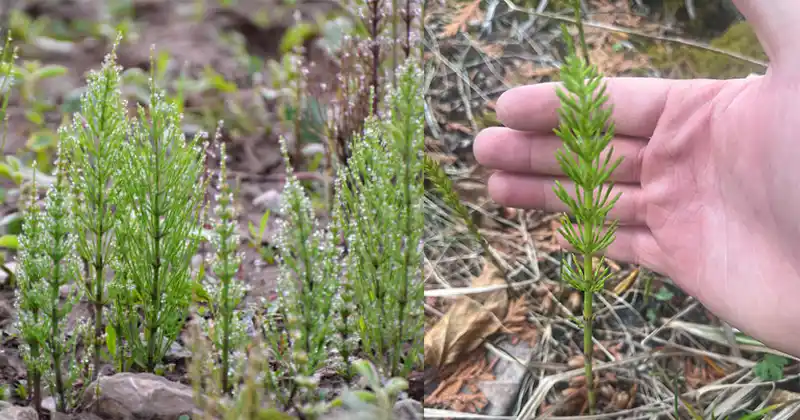
Horsetail (Equisetum arvense) is among the Earth’s oldest plants, with a lineage reaching back to prehistoric eras. Characterized by its tall, jointed stems, this unique plant typically flourishes near rivers, moist fields, and forest edges. Frequently regarded as a weed, horsetail has a longstanding history in traditional medicine. Its standout characteristic is its remarkably high silica content, crucial for enhancing hair, skin, nails, bones, and more.
But is it safe? And what are the effective ways to use it? This article delves into 15 remarkable benefits of horsetail and provides guidance on safely incorporating it into your routine.
✅ Top 15 Benefits of Horsetail
1. Boosts Hair Growth
Rich in silica, horsetail is essential for promoting healthy hair. This mineral helps fortify hair strands, may minimize breakage, and could stimulate new hair growth over time.
2. Strengthens Nails
Struggling with brittle or peeling nails? Horsetail can assist. Its silica content enhances nail strength and resilience, reducing the risk of damage.
3. Improves Bone Density
Silica aids your body in absorbing calcium. Consequently, horsetail may assist in maintaining strong bones, especially for older adults or individuals at risk for osteoporosis.
4. Acts as a Natural Diuretic
Horsetail increases urine production, making it effective for eliminating excess fluids and minimizing mild swelling or water retention.
5. Supports Urinary Tract Health
Historically, horsetail has been utilized to alleviate urinary tract infections (UTIs) due to its diuretic properties and gentle antimicrobial effects.
6. Speeds Up Wound Healing
When used externally as a poultice or rinse, horsetail’s astringent and anti-inflammatory traits can expedite the healing of cuts, wounds, and skin irritations.
7. Reduces Inflammation
Horsetail contains natural anti-inflammatory compounds that may help alleviate symptoms of joint pain, arthritis, or sore muscles.
8. Improves Skin Appearance
With its blend of antioxidants and silica, horsetail promotes collagen production, enhancing skin elasticity, tone, and hydration.
9. Stops Minor Bleeding
Thanks to its astringent properties, horsetail can help tighten tissues and reduce bleeding from minor cuts or nosebleeds.
10. Cleanses the Kidneys
The diuretic action of horsetail can promote kidney function and has traditionally been included in herbal kidney-cleansing preparations.
11. Loaded with Antioxidants
Flavonoids, phenolic acids, and other antioxidants found in horsetail help shield cells from oxidative stress, promoting overall health.
12. Supports Joint Health
Some traditional applications suggest that horsetail, due to its mineral content, may assist in relieving osteoarthritis symptoms and enhancing joint flexibility.
13. Repairs Connective Tissue
Silica also supports collagen, which means horsetail may aid in healing connective tissue, tendons, and ligaments after injury or overuse.
14. Fights Bacteria and Fungi
Research indicates horsetail possesses mild antimicrobial properties, making it a potential natural remedy for certain bacterial or fungal skin issues.
15. Enhances Circulation
Horsetail might assist in stimulating blood flow, supporting nutrient distribution throughout the body and improving overall energy levels.
🍵 How to Use Horsetail Safely at Home

1. Horsetail Tea (Infusion)
- Use: For internal support (hair, skin, bones, kidneys).
- How to prepare:
Add 1–2 teaspoons of dried Equisetum arvense to 1 cup of hot water. Let steep for 10–15 minutes. Strain and drink 1–2 times a day, not exceeding 2 weeks of continuous use.
2. Horsetail Poultice or Wash
- Use: For wounds, skin irritations, and swelling.
- How to prepare:
Steep dried horsetail in hot water, then soak a clean cloth in the tea and apply it to the affected area. Allow it to sit for 15–30 minutes.
3. Horsetail Powder
- Use: For natural silica supplementation.
- How to use:
Can be added to smoothies or combined with honey or warm water in small amounts. Ensure it’s food-grade and sourced from Equisetum arvense exclusively.
4. Hair Rinse
- Use: For strengthening hair and enhancing shine.
- How to prepare:
Brew a potent horsetail tea, let it cool, then use it as a final rinse after shampooing.
⚠️ Important Warnings
- Use only Equisetum arvense — other species may be toxic.
- Contains thiaminase, which depletes vitamin B1. Avoid long-term use or take B1 supplements alongside it.
- Avoid use if you are pregnant or breastfeeding, or have kidney or heart issues.
- Always check with a healthcare provider before starting any herbal regimen.

Horsetail is an intriguing plant with potent natural qualities. Whether you aim to enhance your hair, fortify your bones, or gently detox, Equisetum arvense can be a valuable ally — when utilized wisely and in moderation. Its rich silica content makes it a unique option among natural remedies, but like any herb, it is crucial to respect its power.
❗Disclaimer
This article serves informational purposes only. Horsetail may interact with medications or health conditions. Always consult a healthcare professional prior to using any herbal supplement.
 By
By