You might have heard of “poison ivy” mentioned along with tales of itching, blisters, and distress. But what is this plant, what makes it hazardous, and how can you safeguard yourself — particularly if you’ve never encountered it before?
Let’s explore the essentials of Eastern Poison Ivy (Toxicodendron radicans) — the most prevalent variety in North America. Whether you’re hiking, gardening, or simply enjoying the outdoors, understanding how to spot and steer clear of this plant can prevent significant discomfort.
What Is Eastern Poison Ivy?
Eastern Poison Ivy is a rapid-growing, resilient plant that can be found in woodlands, fields, gardens, city parks, roadsides, and even backyards. Native to eastern North America, it accounts for most poison ivy rashes in the United States.
This plant spreads along the ground and climbs— wrapping itself around trees, fences, or walls with small, hairy rootlets that adhere to surfaces.
Why Is It Dangerous?
The risk associated with poison ivy comes from an oil called urushiol (pronounced you-ROO-shee-ol), present in every part of the plant: leaves, stems, roots, and berries.
A mere light touch can transfer urushiol to your skin. For most individuals, this will trigger an allergic reaction within 12 to 48 hours, which may include:
- Redness
- Itching
- Swelling
- Blisters
Some individuals are extremely sensitive and can experience rashes even from contact with clothing, pet fur, or tools that have touched the plant.
⚠️ Important: Burning poison ivy is highly dangerous. The smoke can carry urushiol into the lungs, causing serious respiratory issues.
How to Identify It (With Just Words)
Even without images, you can recognize it by using this classic saying:
“Leaves of three, let it be.”
Here’s what to watch for:
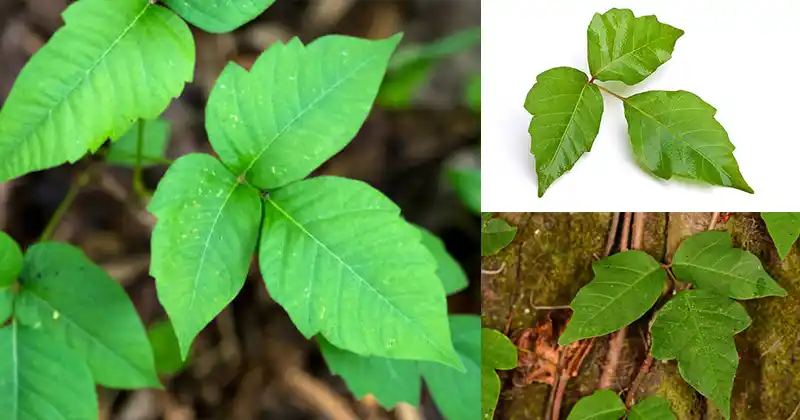
- Three leaflets per group: A larger central leaf flanked by two smaller ones.
- Edges may be smooth or slightly jagged, and can sometimes be lobed (similar to a mitten shape).
- The middle leaflet features a longer stalk than the side leaflets.
- Color: Bright green in spring/summer, turning reddish in autumn.
- Shiny or oily appearance, particularly when young or right after rainfall.
- Growth style:
- As ground cover (low bushy growth)
- As a vine climbing trees or fences (can appear hairy due to rootlets)
- Sometimes resembling a small shrub in open areas
Where You’ll Commonly Find It
Eastern Poison Ivy flourishes in:
- Wooded trails
- Forest edges
- Yards and gardens, particularly near fences or shaded spots
- Vacant lots or disturbed areas
- City parks and suburban regions, especially where birds may drop seeds
Its adaptability to various environments — both sun and shade — makes it very prevalent in rural and urban settings.
What to Do If You Touch It
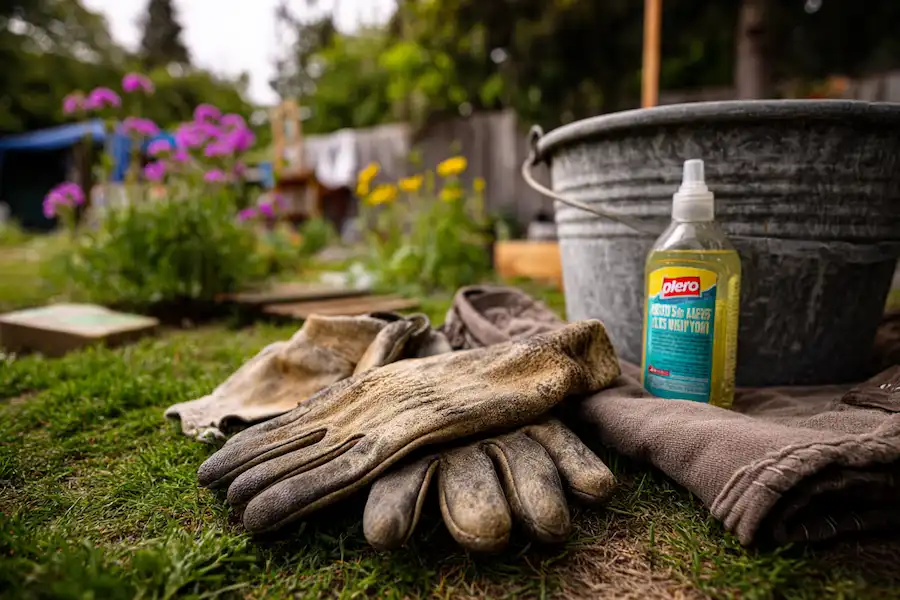
If you suspect you’ve touched poison ivy, take immediate action:
✅ Step 1: Wash right away
- Utilize cold water and soap (preferably dish soap or a degreasing soap).
- Avoid hot water initially — it can open pores and allow urushiol to penetrate.
- Scrub under your nails and sanitize any objects (tools, clothing) you’ve touched.
✅ Step 2: Remove contaminated clothing
- Carefully take off any clothing that may be contaminated.
- Wash them separately in hot water with detergent.
✅ Step 3: Treat if a rash develops
- Use over-the-counter remedies such as:
- Hydrocortisone cream
- Calamine lotion
- Antihistamines (to alleviate itching)
- Cool compresses or oatmeal baths
❗ Seek medical attention if:
- The rash appears on your face or genitals
- You experience swelling in the eyes or throat
- You’ve inhaled smoke from burning the plant
- The rash is spreading rapidly or shows signs of infection
How to Avoid It (Especially for Beginners)
Here are simple precautions to follow:
🥾 Dress for protection
- Wear long pants, long sleeves, and gloves when outdoors or hiking.
- High boots are beneficial in wooded environments.
🧴 Consider barrier creams
- Introduce specific products designed to block urushiol — apply before heading out.
🐕 Wash your pets
- Dogs might carry urushiol on their fur, even if they don’t show rashes.
🧹 Clean your gear
- Ensure garden tools, hiking sticks, and footwear are washed if they’ve been outdoors.
👁️ Be vigilant
- If you see a vine with hairy roots climbing a tree or fence, or clusters of three leaves, keep your distance.
Removing It from Your Yard
If you spot it growing close to your home:
- Never pull it barehanded.
- Use gloves and long sleeves, avoiding breaking the plant whenever possible.
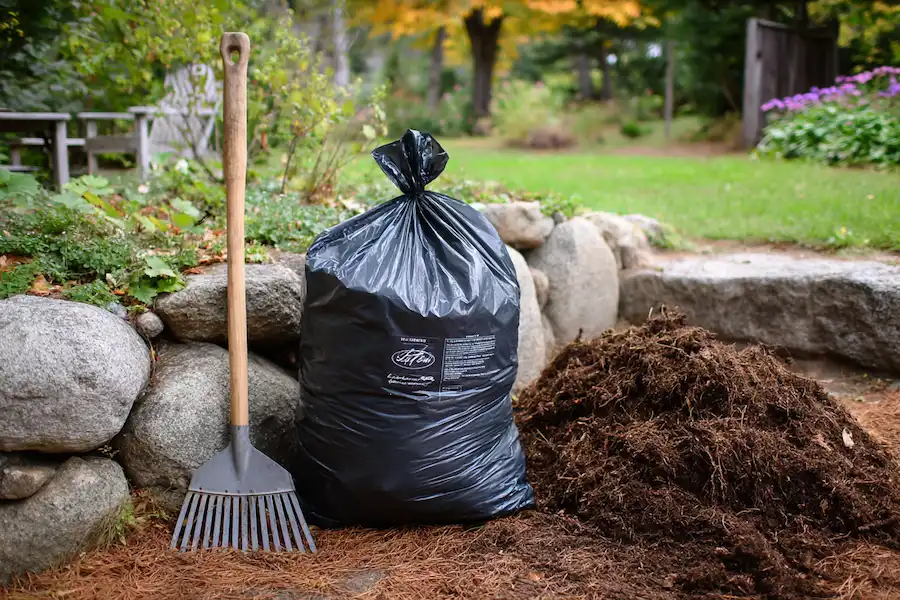
- Dispose of it in sealed bags — never burn it.
- Herbicides may be used, though multiple applications might be necessary.
- Hiring professionals can be beneficial for larger infestations or areas near children and pets.
Eastern Poison Ivy might seem harmless — just another green plant in the woods or alongside your fence. Yet, a brief encounter can lead to discomfort lasting days or even weeks. If you reside in North America, the likelihood of encountering it is high.
Now that you’re equipped with knowledge on how to identify, avoid, and manage exposure, you’re better prepared to protect yourself and your loved ones.
Always remember:

 By
By