Leaf mold, a gardener’s treasure, is a form of compost produced from decomposed leaves. Renowned for its ability to enhance soil structure and hold moisture, it’s a must-have for any gardening enthusiast. Traditionally, making leaf mold can take up to two years, but with the right technique, this process can be significantly accelerated. This article delves into a unique method, inspired by a popular gardening practice, that reduces the time to create leaf mold to just about two months. Employing everyday materials like fallen leaves and rice rinse water, this method is not only efficient but also environmentally friendly, turning what many consider waste into a valuable resource for your garden.
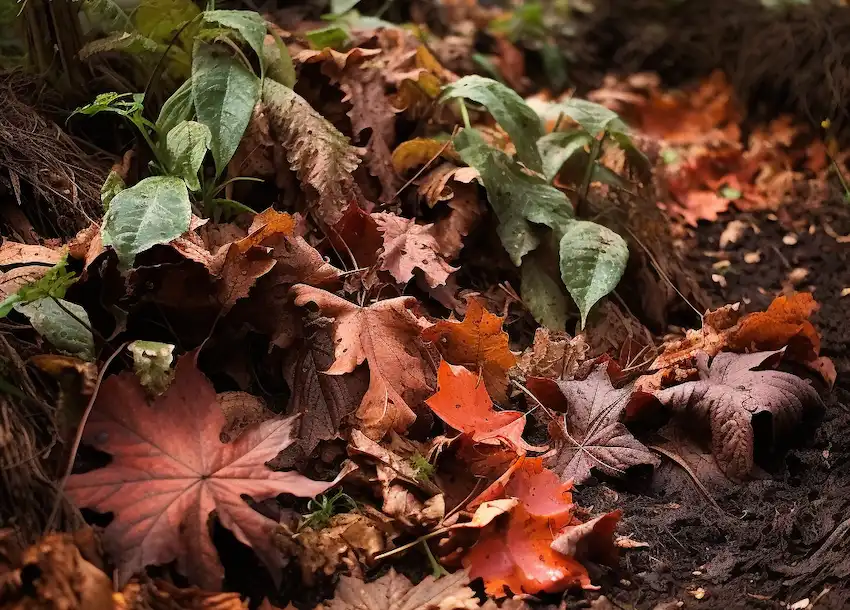
1. Collect and Wait:
- Gather Leaves: Collect fallen leaves, the raw material for leaf mold.
- Initial Waiting Period: Let the leaves sit for about a week. This initiates the decomposition process.
2. Prepare Rice Water:
- Save Rice Water: Collect water used for rinsing rice. Rinse the rice a few times and save this water.
3. Prepare Leaves in Bags:
- Double Bag System: Place the dead leaves into a double plastic bag. This helps manage moisture and airflow.
4. Adjust Bags for Drainage:
- Improve Drainage and Aeration: Cut edges of the bags for excess water drainage. Make cuts in the inner bag for added aeration.
5. Moisten Leaves:
- Use Rice Water: Pour the rice rinse water into the bags with leaves. Add regular water if necessary. Stir to moisten all leaves.
6. Secure and Place Bags:
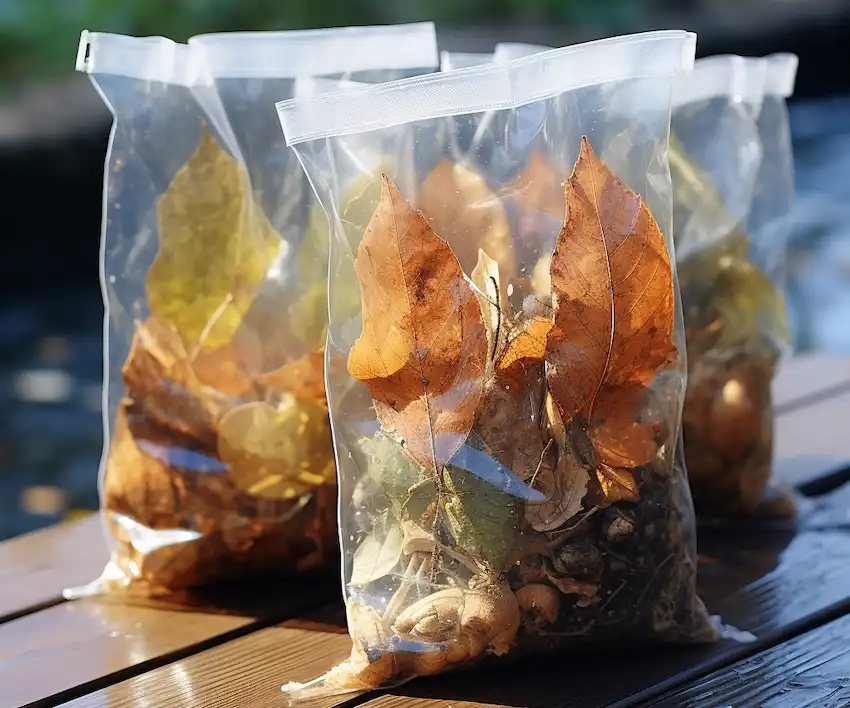
- Tie Bags: Securely tie the bags and position them in a sunny spot. Sunlight accelerates decomposition.
7. Regular Maintenance:
- Stirring Routine: Open bags weekly to stir the leaves. This encourages uniform decomposition and prevents dry spots.
8. Manage Moisture:
- Prevent Rot or Dryness: Ensure proper moisture levels. Make drainage holes if too wet or add water if too dry.
9. Final Steps:
- Monitoring Progress: After about 1.5 months, observe the leaves losing their original shape. Adjust moisture levels as needed.
- Completion: Leaf mold is finished when it’s fluffy and no longer resembles original leaves, usually around two months.
This method is an ingenious way to expedite leaf mold production using easily accessible materials and simple techniques. Regularly monitor moisture levels and stir the leaves for consistent decomposition.
 By
By